
LVT Installation: What to Expect from Start to Finish
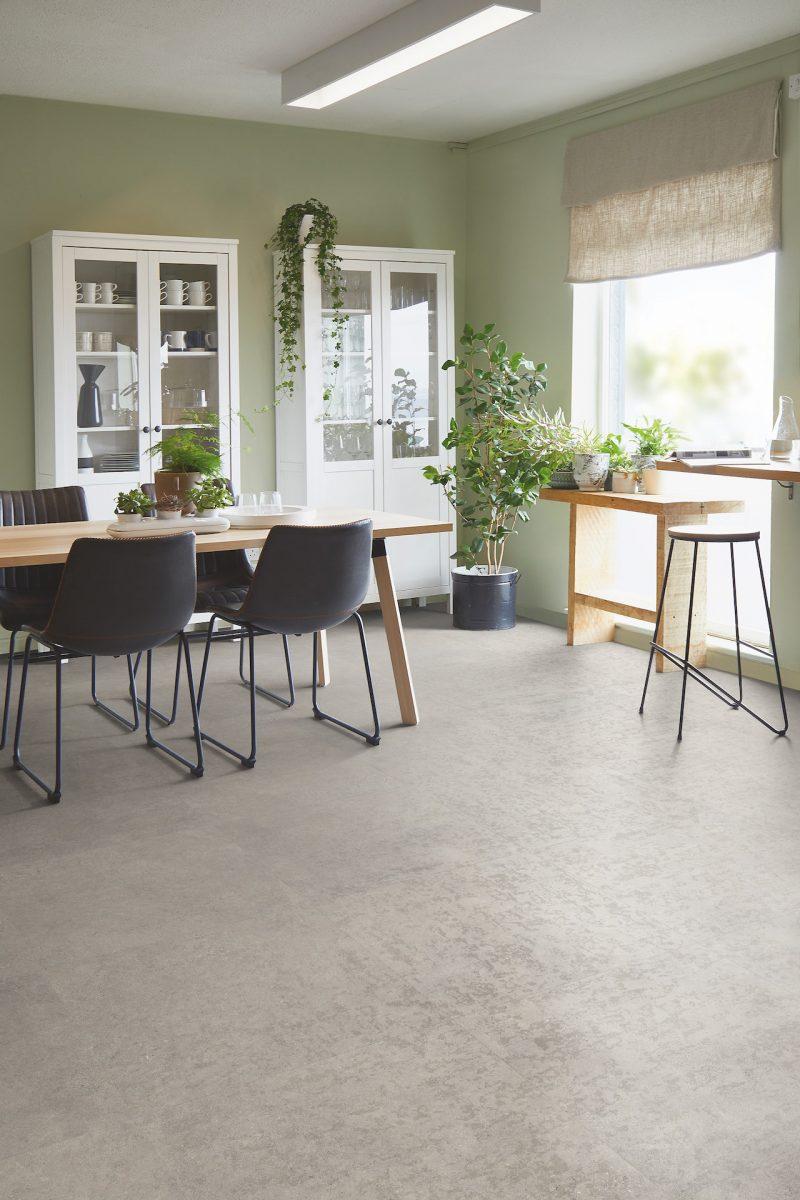
You’ve chosen luxury vinyl tile for your home – brilliant choice! LVT is strong, waterproof, durable, and suitable for use throughout the whole home, making it one of the best flooring choices for families. Now though, you’re probably wondering what happens next.
In this guide, we’ll walk you through LVT installation step by step. We cover everything from preparation to aftercare, so you know what to expect from a professional luxury vinyl tile installer.
Getting Ready for LVT Installation
Before installation day arrives, there’s a bit of prep work to do. Don’t worry, it’s nothing complicated!
Clear the Room
You’ll need to remove all furniture, rugs, and anything else sitting on the floor. This includes smaller items like plant pots, bins, and floor lamps that are easy to forget about. Make sure the space where our team will be working is safe and clear so we can get started as soon as we arrive.
Remove Existing Flooring (if necessary)
Depending on your current flooring, we might need to remove it first. Old carpet, vinyl, or damaged laminate usually needs to come up before LVT goes down. Some existing hard floors in good condition can be installed over, but this depends on the type and condition. Our team will let you know what we think is best when we provide your quote.
Check the Subfloor
LVT needs a smooth, level subfloor to prevent damage and ensure your flooring looks good for years to come. Because LVT has a thin profile, any bumps or dips in the subfloor will show through. If you’ve chosen a click-lock system, a level subfloor surface is important to ensure proper locking without any gaps or shifting.
Let Your LVT Acclimatise
LVT needs to adjust to your home’s temperature and humidity before installation. Store the boxes flat in the room where they’ll be installed for at least 48 hours before the installation begins. This prevents expansion or contraction after the installation, which can lead to gaps over time. This important step is often overlooked by DIYers or general installers, which is why it’s best to get a specialist like our London LVT installation team.
The Installation Process Step by Step
Once we’re done with the prep work, we can get started. Here’s what to expect:
1. Final Subfloor Preparation
Our team will do a final check of the subfloor to ensure it’s clean, dry and level. If needed, we’ll also fit a moisture barrier or underlay. Generally, we only need to fit a damp-proof membrane on concrete floors or high humidity areas to prevent moisture build–up under the LVT.
2. Planning the Layout
Before we start the installation, we’ll plan the general placement of the tiles. We start from the centre of the room and work outwards as this is the most visible area. This ensures a neat and polished finish. It also allows us to plan the direction of the LVT and guide the eye to a focal point of the room. Which direction you run your flooring, especially for wood effect, can have a big effect and help create a sense of openness. It’s especially important in open plan spaces where you may have flooring transitions to zone areas of use.
3. Cutting and Fitting
The LVT tiles are measured and cut to fit around obstacles like doorframes, pipes, and awkward corners. This is where professional installation makes a big difference; our team has specialised tools made to produce clean and precise cuts specifically in luxury vinyl tile to ensure a clean finish.
4. Installing the Tiles
Depending on the type of LVT you’ve chosen, installation involves either:
- Click-lock systems: Tiles snap together like a puzzle. Similar to laminate, it acts like a floating floor with no adhesive needed.
- Glue-down installation: Adhesive is applied to the subfloor, then tiles are pressed firmly into place. Recommended for bathrooms or high traffic areas.
Both click-lock and glue-down systems have their own benefits. Based on your subfloor type, our team can recommend which system works best for your home and will provide the most appealing long-term results.
5. Finishing Touches
Once all the tiles are down, we’ll add the finishing touches such as beading to cover the expansion gaps and create a neat edge. Expansion gaps are important to allow your floor to shift with changing temperatures, preventing your floor from buckling. This is another reason why we recommend professional LVT installation – our team makes sure that your LVT has suitable expansion gaps that meet manufacturer guidance.
Aftercare: Looking After Your New LVT
After your initial LVT installation, there’s a couple of things to keep in mind for the first few days.
The 48-Hour Rule
If you’ve had glue-down LVT installed, avoid walking on it for at least 48 hours. The adhesive needs time to cure properly, and walking on it too soon can cause tiles to shift or create air pockets underneath. Click-lock installations can usually be walked on immediately, but we still recommend waiting a day or two to allow your flooring to acclimatise.
Moving Furniture Back
After the initial 48 hours, when you’re ready to move furniture back in, use felt pads on chair and table legs to prevent scratches. Lift heavy furniture such as sofas rather than dragging them, as this can damage your LVT.
LVT is low maintenance, but a few simple habits keep it looking good long-term:
- Sweep or hoover regularly to remove grit
- Mop with warm water and a neutral cleaner when needed
- Wipe up spills promptly (though they won’t damage the floor)
- Use doormats to reduce dirt and moisture being tracked in
How Long Does LVT Installation Take?
Our professional LVT installers in London can complete most LVT installations quickly, but how long it takes can vary from home to home. When we provide our initial quote, we’ll give you an estimate of how long the job should take.
What Affects LVT Installation Time?
Several factors influence how long your LVT installation can take. Bigger rooms will obviously take longer than smaller rooms on average, but oddly shaped rooms with diagonal walls or alcoves will require more cutting, making the installation more time-consuming.
The main factors that could make your installation take longer:
- Room shape and size, and the number of rooms
- Obstacles like radiator pipes or fitted furniture such as cabinets or built-in wardrobes
- Poor subfloor condition – extensive repairs before starting the installation will lengthen the process
- Using glue-down will take longer than click-lock
Is it Worth Having Professional LVT Installation vs DIY?
DIY LVT installation is possible for some DIY savvy homeowners. Click-lock systems are the more DIY friendly as they are thicker tiles and are easier to remove if something goes wrong, whereas glue-down is better left to professionals.
Be aware that LVT is more complex to lay than laminate as the tiles are thinner. This means that if there’s any issues with the subfloor, these will show through the thin tile. Our professional installers know how to recognise and repair subfloor issues that may not be obvious to a DIYer.
For these reasons, we recommend a professional LVT installation:
- We’re experienced in spotting problems – Our professional installers have seen it all, and we know how to recognise and prevent problems down the line.
- Proper tools and techniques – We have access to specialist cutting tools, levelling equipment, and adhesives that just aren’t available or cost effective for the general public, allowing us to create cleaner cuts and better overall results.
- Speed and minimal disruption – Our installers are fast and know exactly what they’re doing. What might take a DIYer several days takes our installers a fraction of the time, meaning you can get back to life with minimal disruption to your home.
- Performance guaranteed – Most LVT brands are only guaranteed if they’ve been installed correctly. By getting a professional installation, you ensure your manufacturer warranty is valid.
Whilst DIY LVT installation is possible, we advise against it. LVT is a lot more complex than other common flooring types such as laminate or carpet. Most homeowners find that the time and stress reduction makes a professional installation worthwhile.
Ready to Get LVT Installed?
We hope we’ve been able to help you understand what to expect from LVT installation – understanding what will happen makes the experience smoother and less stressful for everyone.
Our team at 3D Royal Floors handles LVT installations across Greater London for both commercial and private residential spaces. There’s almost nothing we haven’t seen! If there’s anything you’re still unsure of, get in touch and our friendly team can answer any questions.
If you’re ready to get started right away and want a quote, use our quick quote form.
LVT Installation FAQs
Can LVT be installed over existing flooring?
LVT can go over some existing hard floors if they’re smooth, level, and in good condition. Damaged hard floors may need repairing, removing or replacing depending on the best option. Soft floors such as carpet or cushioned vinyl will usually need removing.
Do I need underlay with LVT?
It depends on the product and your subfloor. Some LVT has built-in cushioning, whilst other brands may be more comfortable with underlay to improve underfoot feel and add soundproofing qualities. Concrete subfloors or underground rooms such as basements often require a moisture barrier to improve warmth and reduce damp seeping up from the floor.
Does LVT go under kitchen counters?
Don’t worry, there’s no need to remove your kitchen units for LVT installation! Generally, we install LVT up to your kitchen units or any other fitted furniture such as built-in wardrobes. This means your cabinets can stay exactly where they are and makes any future tile replacements or repairs easier.
Can I install LVT in bathrooms?
Absolutely! LVT’s waterproof properties make it perfect for bathrooms. We recommend a professional installation for bathrooms and other humid environments, as a professional team can ensure correct subfloor preparation and sealing to prevent mould growth beneath the floor tiles.
Can damaged LVT tiles be replaced?
One of LVT’s best features is that individual tiles can be replaced. Click-lock systems make this simple and straightforward, whilst glue-down tiles can be carefully removed and replaced by someone who knows what they’re doing. We recommend keeping a box of spare tiles after your installation so that repairs can be easily fixed, rather than struggling to find a match for your existing floor.
How soon can I put my furniture back after LVT installation?
We recommend waiting 48 hours before putting items back on your floor after LVT installation to allow your floor to acclimatise. This is especially important for glue-down installations where the glue needs time to cure fully.
Have questions? Contact us today for expert help with your construction project.