
LVT Care Guide: How to Clean and Maintain LVT Flooring at Home
LVT Care Guide: How to Clean and Maintain LVT Flooring at Home
This guide explains how to care for luxury vinyl tile (LVT) flooring — covering daily routines, stain removal, recommended products, and long-term maintenance tips to keep floors looking new for years.
- LVT is non-porous, fully waterproof, and scratch-resistant — making it one of the easiest flooring types to maintain.
- Daily sweeping in high-traffic areas and a weekly damp mop is all that’s needed for regular upkeep.
- Scuffs, grease, crayon, and sticky residue all have specific removal methods using common household products.
- Use felt pads under furniture, doormats at entrances, and avoid direct sunlight to extend the life of your LVT.
Deep cleaning with a specialist LVT product can restore heavily soiled floors, but should rarely be needed with regular care.
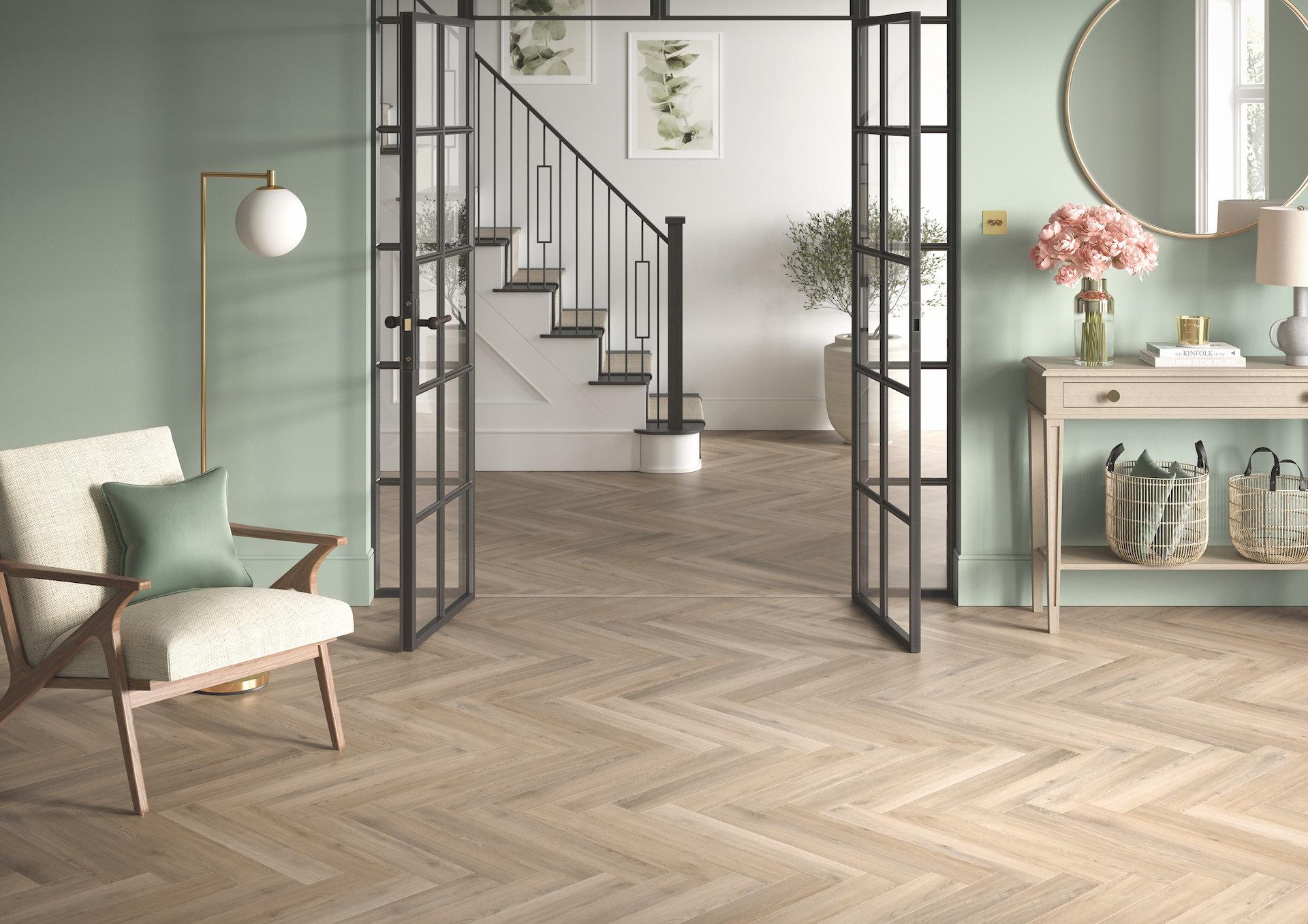
One of the best things about luxury vinyl tile flooring is how easy it is to keep clean. If you’re tired of battling carpet odours and stains or scrubbing grout lines in tiled floors, LVT is the floor for you. Low-maintenance, hypoallergenic, waterproof and scratch-resistant, LVT is one of the simplest flooring types to care for. With just a few simple care habits, your LVT floors will look like new for years.
Here’s our full LVT care guide, covering everything you need to know from daily cleaning to safely removing stubborn stains.
Why LVT is the Easiest Flooring to Take Care of
If you’re used to cleaning other flooring types, then you’re in for a pleasant surprise with LVT as it’s extremely easy to care for by comparison.
LVT vs other flooring types:
- Carpet traps dirt and pet hair, absorbs spills, stains easily and is one of the worst flooring types for allergy sufferers. Even with daily vacuuming, carpets gradually look tired and worn. Removing ingrained dirt is expensive and requires hiring a carpet cleaner or buying/renting professional shampooing equipment.
- Laminate is similar to LVT as it is also a non-porous material that’s suitable for allergy sufferers, but unlike LVT, laminate is not waterproof and is very sensitive to humidity and water as it is made of wood, so it’s not suitable for bathrooms and kitchens. We break down all the pros and cons of LVT vs laminate in our blog.
- Hardwood flooring is beautiful and long-wearing but is notorious for needing a specialised care routine. Hardwood dents and scratches easily, plus it’s not water-resistant. It needs regular refinishing, sealing, waxing, or oiling specific to the exact wood type, and maintenance mistakes can ruin the whole floor. LVT offers the look of natural wood but without the care difficulties.
- Tile flooring is particularly vulnerable to impact and will shatter if anything heavy is dropped on it. Replacing individual damaged tiles is a difficult process and it’s usually easier to simply re-tile the whole floor, but LVT is designed to allow damaged tiles to be easily replaced. Plus, tiled floors require grout joints which harbour bacteria and become mouldy or discoloured over time, whereas LVT creates a fully seamless finish with no grout to spoil the appearance of your floor.
- Marble is one of the hardest floors to maintain. Though it offers stunning and elegant looks, marble is porous and needs regular re-sealing to protect the surface. Marble effect LVT offers the same glamorous look as marble but is low-maintenance and at a fraction of the price tag.
LVT outshines other flooring types because it has a non-porous surface that doesn’t absorb anything. Spills sit on top rather than soaking in, dirt doesn’t embed itself into fibres, and there’s nowhere for allergens or mould spores to hide. It’s fully waterproof, scratch-resistant, and suitable for every room of your home.
When compared to other flooring, LVT is extremely easy to care for. It’s the perfect low-fuss flooring for busy homes.
Simple LVT Cleaning Routine
LVT is easy to keep clean with a regular daily sweep in high traffic areas and weekly deeper cleaning.
LVT cleaning checklist:
Daily
- Sweep or hoover high traffic areas like kitchens and hallways. This helps keep dirt from tracking through the rest of your home and protects your floors from rocks and other debris that may cause scratches.
- Wipe up spills quickly with a cloth or some kitchen roll. Whilst LVT is waterproof and won’t be damaged by liquids, sugary and fizzy drinks can leave a sticky stain if left, and dark drinks like coffee and red wine or bright sauces like tomato might leave a stain if they manage to go unnoticed for several hours. Whilst your LVT is unlikely to be damaged by spills, wiping up quickly prevents bigger messes. This is especially helpful for families with little children.
Weekly
- Mop all-over with a damp mop, working backwards in sections so you don’t walk over the areas you’ve just cleaned. Use warm water and a pH neutral cleaner (or even just water) and make sure your mop is damp, not soaking. Whilst the excess water won’t damage your LVT, it takes a lot longer to dry.
- Go-over high traffic areas again if needed. Areas like hallways might need a second mop if they’re particularly dirty, or you might choose to mop these areas more regularly. Just do whatever works best for your household.
- Use entrance mats or hallway runners in entryways to absorb dirt and water. This is entirely optional, but it makes cleaning a breeze! Simply shake entrance mats outside to remove loose dirt or get a washable one you can pop in the washing machine.
It really is that easy to care for LVT!
How to Remove Stubborn Marks and Stains from LVT
Even with regular cleaning, you might find marks or stains that are a bit harder to handle. Depending on the cause of the stain, removing marks from LVT can be done in different ways.
Here’s how to remove marks from LVT:
- Scuff Marks – Scuff marks from shoes are common, especially near entryways. Usually, a damp cloth with a tiny bit of washing-up liquid removes them easily. For particularly stubborn scuffs, a pencil eraser is a surprisingly effective fix – just rub gently and the mark usually disappears!
- Scratches – Light surface scratches can often be fixed at home using scratch repair kits. Make sure any product you use is suitable for luxury vinyl tile, as some scratch repair products designed for other flooring types can cause more harm than good. If you’ve got deeper scratches or gouges that won’t buff out, individual tiles can be replaced without needing to redo your entire floor. This is one of the top advantages of LVT – a professional can replace damaged tiles individually rather than replacing the entire floor. Our professionals at 3D Royal Floors can handle LVT repairs in London and the wider metropolitan area.
- Sticky Residue – If something sticky has dried on your floor, dampen the area with warm water for a few minutes to soften the residue, then wipe away with a cloth. For stubborn spots, try a little bit of white vinegar, just make sure you rinse afterwards.
- Grease and Oil – Grease or oil marks are bound to happen in kitchens. Wipe up fresh grease with kitchen paper first, then clean the area with warm water and a drop of washing-up liquid. The grease should lift away easily without leaving marks. Be sure to rinse well afterwards as washing-up liquid can leave a slippery residue that makes falls more likely.
- Crayon and Marker – For families with artistically inclined children, this might be useful to know: most crayon and washable marker willwipe off LVT with a damp cloth. Permanent marker needs a bit more effort – try a little rubbing alcohol on a cloth, though be sure to test in a corner where nobody will see first to check it won’t damage the finish on your LVT. Finally, wipe and rinse.
Best Products to Use on LVT
What works:
- pH-neutral floor cleaners – These are specifically designed not to damage flooring surfaces and work perfectly with LVT.
- Warm water – Often more than enough for regular cleaning.
- Diluted white vinegar – Good for stubborn marks (but always rinse afterwards).
- Mild washing-up liquid – Effective for grease and sticky spots when used sparingly (be sure to rinse).
What to avoid:
- Abrasive cleaners or scouring pads – These can scratch the protective wear layer.
- Bleach or ammonia-based cleaners – Too harsh and can damage or discolour LVT over time.
- Steam mops – Whilst LVT is waterproof, excessive heat from steam can potentially damage the adhesive or cause warping.
Wax or polish products – - LVT isn’t absorbent and doesn’t need waxing, so these products can leave residue that makes floors slippery.
When in doubt, stick to warm water and pH-neutral cleaner.
How to Get the Most From LVT
Beyond regular cleaning, a few simple habits will help keep your LVT looking good and hopefully allow you to enjoy your flooring for decades.
Here’s how to make sure LVT looks new:
- Use Doormats – Mats at entry points catch dirt and moisture and stop it from spreading through your home. This reduces how much cleaning you need to do and protects your floor from grit that could cause scratches over time.
- Furniture Protection – Add felt pads to the bottom of chair legs, table legs, and other furniture. This prevents scratches when furniture gets moved (even slightly) during daily use. Replace these pads when they wear thin.
- Lift, Don’t Drag – When moving furniture or heavy items, lift them rather than dragging across your LVT. Even with furniture pads, dragging can cause damage over time.
- Protect from Sunlight – Whilst good quality LVT is designed to resist fading, prolonged daily exposure to direct sunlight can eventually cause some discolouration. Use curtains or blinds during the brightest parts of the day in rooms with intense sun.
Deep Cleaning for Ingrained Dirt
If your LVT hasn’t been cleaned properly in a while or you’ve moved into a home with neglected floors and ingrained dirt, a deeper clean can help restore the LVT and get it looking like new again. You can hire a professional or take a DIY cleaning approach, though if you follow our maintenance steps, you shouldn’t need to deep clean often.
Unlike regular mopping, deep cleaning uses specialist LVT cleaning products designed to penetrate and lift embedded dirt, grime, and scuff marks that regular cleaners can’t shift. These products are typically more concentrated than everyday cleaners and often include a scrubbing step. Whatever product you choose, be sure to check it’s suitable for LVT flooring and follow the manufacturer guidance exactly to avoid damaging your floors. You shouldn’t use steam mops for deep cleaning LVT.
LVT deep cleaning step by step:
Pre-cleaning – Remove loose dust and dirt by thoroughly sweeping or hoovering. Mop to remove surface-level dirt and allow to dry before moving to the next step.
Specialist products – Use a specialist deep cleaning product designed for LVT (make sure it’s pH-neutral). Apply as per the manufacturer’s instructions.
Rinse Thoroughly: Mop with clean water (changing the water frequently) to remove all residue from the cleaning solution. Let the floor air dry completely.
Finishing – This step is entirely optional, but some manufacturers offer a finishing solution that helps to protect your flooring from dirt build-up after deep cleaning, making future cleans easier.
The Conclusion
Maintaining LVT really is quite straightforward. Regular sweeping, weekly mopping, and prompt attention to spills covers most of what you need to do. Compare this to the effort required for carpet, natural stone, or hardwood, and LVT really sticks out as one of the best flooring types for families and busy professionals who don’t have the time for complicated maintenance.
At 3D Royal Floors, we specialise in professional LVT installation across Greater London. Our experienced team can help you choose the perfect LVT for your home, or you can read our LVT style guide.
Get in touch to chat with our friendly team and discuss LVT for your home.